
 Facebook
 X
X
 Pinterest
 Copy Link
South Florida Condo Assessments: Why All the Noise Right Now
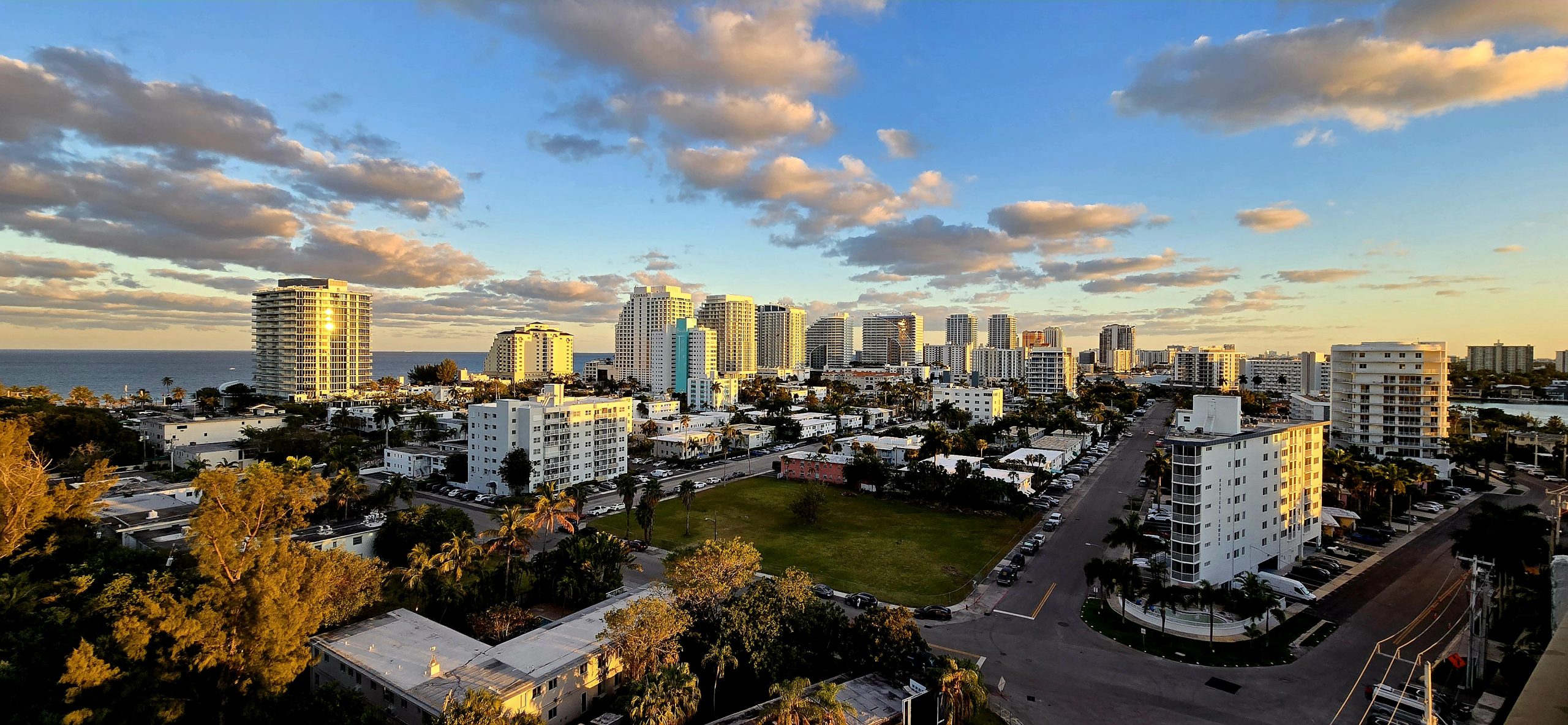
South Florida condo assessments are hard to miss right now. If you live in one of these buildings, there’s a good chance yours is loud. Construction crews on the parking deck. A special assessment notice in your mailbox. And maybe a pool the association closed for repairs months ago and still hasn’t reopened.
And there’s a question I hear constantly, from residents who are frustrated and not wrong to be: why is this happening now?
Why South Florida Condo Assessments Are Happening Now
After the Surfside collapse in 2021, Florida changed how it regulates condo and co-op buildings. The centerpiece is Senate Bill 4-D. It requires buildings of a certain age and height to undergo milestone structural inspections. It also requires them to fund a structural integrity reserve study – a real accounting of what the building’s major systems actually need, not a guess.
Before this law, owners could waive reserve funding with a simple vote. Boards could – and often did – kick the can down the road, sometimes for decades. SB 4-D and the legislation that followed closed that loophole for structural items. As a result, buildings must now fund what they actually need, on a real timeline, whether that’s comfortable or not.
That’s the honest answer to “why now.” It isn’t your board inventing problems. The law is finally requiring buildings to do what should have been standard practice all along.
What Your Board Is Actually Dealing With
I’ve sat on a board. I’ve been board president. I hold an active Florida CAM license, so I’ve spent real time on the other side of this exact frustration. In practice, that means explaining a six-figure assessment to hundreds of owners who didn’t budget for it.
Most boards and property managers aren’t the villain in this story. In fact, they’re absorbing the anger for decisions the legislature made. They’re doing the unglamorous work: getting bids, funding reserves, and making sure the building passes inspection. Meanwhile, residents understandably want answers about cost and timeline that aren’t always simple to give.
If your building is going through milestone inspections or a reserve funding catch-up right now, that’s actually a good sign. It means your board is doing exactly what the law now requires – not that something went wrong on their watch.
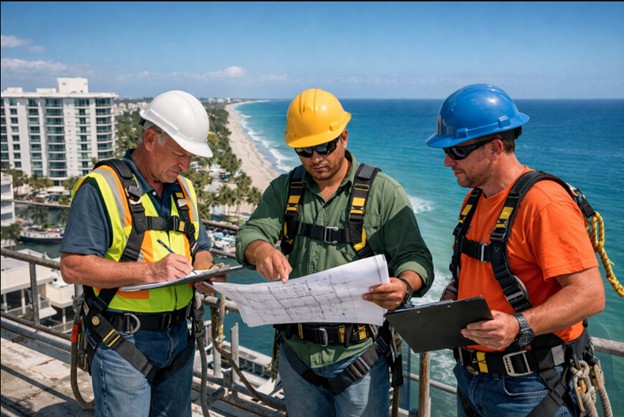
What This Means for You
A few things worth knowing about South Florida condo assessments if you’re living through one right now:
- Milestone inspections apply to buildings three stories or taller, once they reach a certain age – the older the building, the sooner it’s required.
- Structural integrity reserve studies identify what the building’s roof, load-bearing walls, waterproofing, electrical systems, and other structural components will need, and when.
- Reserve funding for those structural items is no longer optional. Owners can still vote on plenty of things, but not on whether to fund what the inspection and reserve study say the building needs.
The exact requirements and deadlines depend on your building’s age, height, and location. Lawmakers have also amended the law more than once since 2022. So if you want specifics for your building, that’s a conversation for your board, your property manager, or an attorney who handles condo law. In short, it’s not a blanket rule that applies the same way everywhere.
The Bottom Line on South Florida Condo Assessments
 South Florida condo assessments are uncomfortable right now, but they’re also proof the system meant to prevent another Surfside is working as intended. Boards are funding reserves. Inspectors are checking buildings. Overall, the boards and property managers doing that work deserve more credit than they usually get.
Want to understand what your own building’s situation actually means – what’s required, what’s optional, and how to read what your board is telling you? Then the Condo Compass on my site is worth a look. It walks through it in plain language. And if you’re a board member or property manager, you could use a resource who’s sat exactly where you’re sitting. That’s precisely the work I do.
Let Gillen Guide You.
If you’re on the buying side of this instead of already living it, my “Sins of the Snowbirds” series from earlier this year covers the flip side of this same story. It breaks down how these same laws actually work in a buyer’s favor. Start with Part 1.
Further Reading & Credible Resources
[^1]: Florida Senate Bill 4-D (Building Safety) — Senate Summary
[^2]: Florida Senate Bill 154 (Condo Amendments) — Senate Summary
Author, Licensing, and Disclosures
Author: John Gillen, P.A.
John Gillen, P.A. is South Florida’s No-Nonsense Navigator – helping people buy and sell homes with facts over speculation and clarity over noise. With over 20 years of experience managing complex projects and helping businesses grow, John works hard to handle every detail correctly for his clients.
He is an expert in the South Florida condo market, skilled at organizing all the complicated pieces – new building rules, insurance changes, and association paperwork – so his clients don’t have to worry about them. With degrees in business and education, and licenses as both a Realtor® and a Licensed Community Association Manager (CAM), he knows how to find solutions when things get confusing. He helps his clients cut through the noise and focus on the information that actually matters to them. Backed by Better Homes and Gardens® Real Estate | Florida 1st, he provides personal, friendly service with the support of a major brand.
Real Estate Sales Associate: SL-3445594. Licensed Community Association Manager: CAM-59384. Designations: Accredited Buyer’s Representative® (ABR) | At Home with Diversity® (AHWD). Certified LGBTBE® Business. Affiliations: National Association of REALTORS® | BeachesMLS | NGLCC | Greater Fort Lauderdale LGBTQ+ & Allied Chamber of Commerce (GFLGLCC).
Professional Disclaimer
The information provided in this blog post is for informational purposes only and does not constitute legal, financial, or professional real estate advice. For guidance on Florida real estate transactions or condo regulations, please consult with a qualified professional.
Editorial & Market Disclaimer
The views, research, and opinions expressed in this blog are strictly those of John Gillen, P.A. and do not necessarily reflect the official position of Better Homes and Gardens® Real Estate | Florida 1st. Read this as general information about the South Florida real estate market, not as legal or financial advice.
Equal Housing Opportunity
The author is committed to the letter and spirit of U.S. policy for the achievement of equal housing opportunity throughout the Nation. Accordingly, he encourages and supports an affirmative advertising and marketing program in which there are no barriers to obtaining housing in Florida because of race, color, religion, sex, handicap, familial status, or national origin.


